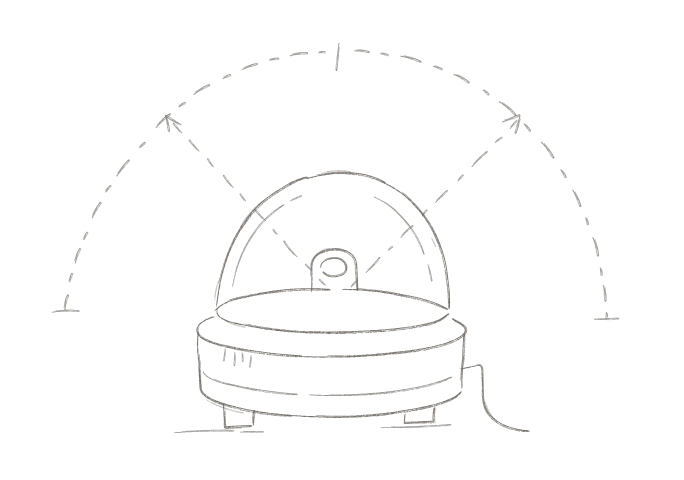
01 / THE WHOLE SKY
All-sky camera
An open view overhead follows the changing sky: the movement of cloud, the approach of darkness and possible aurora.

Know when
to look.
An aurora over the lake. A plump full Moon clearing the ridge. A tūī calling nearby. The Observatory watches the sky and listens for birds, helping you catch extraordinary moments as they happen.
Its cameras, microphone and regional scientific data build a record of the place. Over evenings, seasons and years, you begin to recognise the signs and anticipate their return.

The whole sky, a carefully chosen view, and the sounds around the home. Each has a different part in the record.
01 / THE WHOLE SKY
An open view overhead follows the changing sky: the movement of cloud, the approach of darkness and possible aurora.
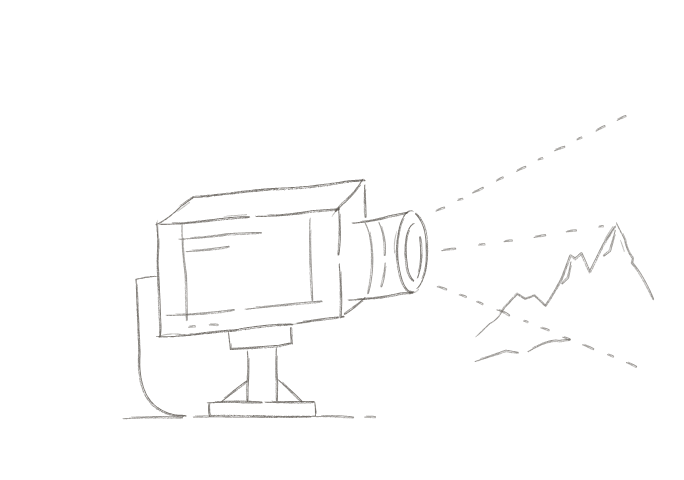
02 / THE PHOTOGRAPHIC VIEW
A carefully positioned camera makes beautiful, high-resolution photographs. Light, colour and detail are recorded with enough care to be worth keeping.
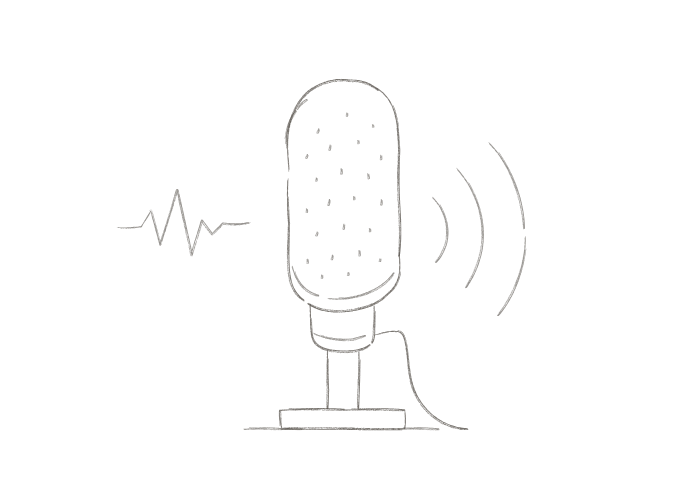
03 / THE LIVING PLACE
Bird calls add another account of the place. Sound recordings can be examined by recognition models and kept alongside a suggested identification.
INSTRUMENT STUDIES / HOUSING AND PLACEMENT ARE DEVELOPED FOR THE SITE
Different events call for different methods. Separate tools examine bird calls, cloud forms, landscape colour and possible aurora. Astronomical calculations and regional scientific observations bring another kind of evidence.
OBSERVED HERE
DRAWN FROM FURTHER AFIELD
RECOGNISE · COMPARE · KEEP THE EVIDENCE
Models suggest what may be present. Local records, regional conditions and calculated events help assess that suggestion. A possibility stays a possibility until the evidence supports more.
WHAT STAYS WITH THE RECORD
PLACE / TIME / ORIGINAL IMAGE OR SOUND / SOURCES / UNCERTAINTY
AURORA
Regional magnetic activity supports a possible aurora. The local camera records what was visible above this home.
MOONRISE
Astronomical timing and the actual ridge line establish where to look. Cloud affects whether the Moon can be seen.
WEATHER + BIRDS
Weather measurements add context; forecasts suggest what may come. A bird identification stays linked to its recording.
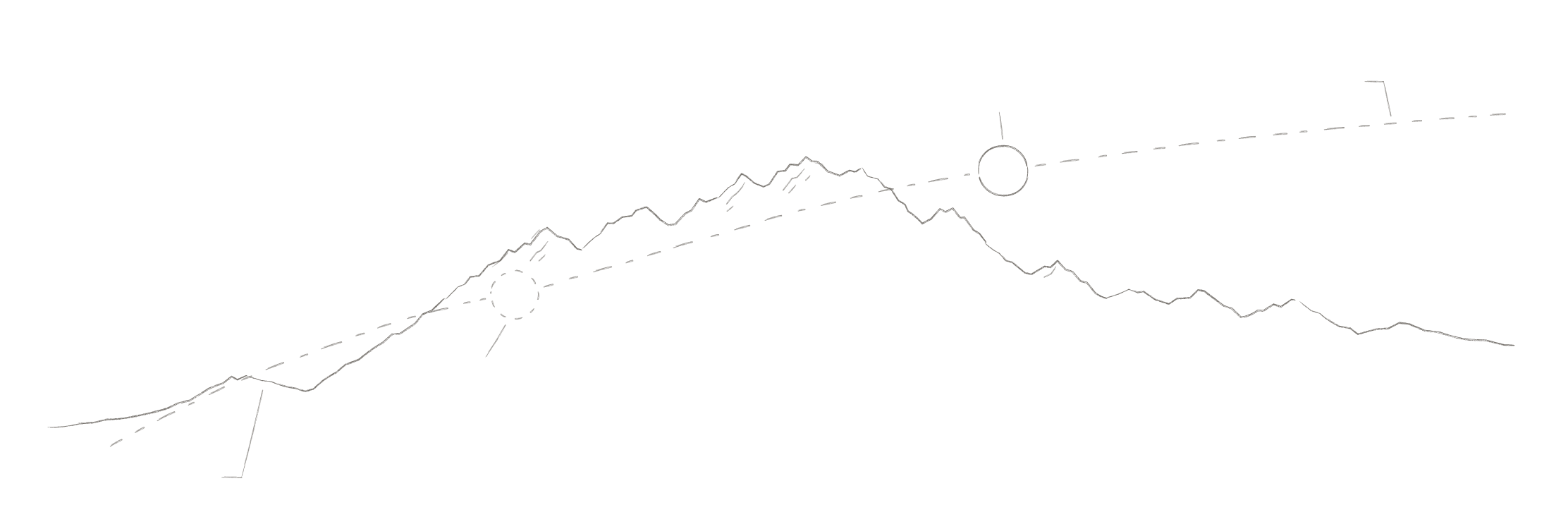
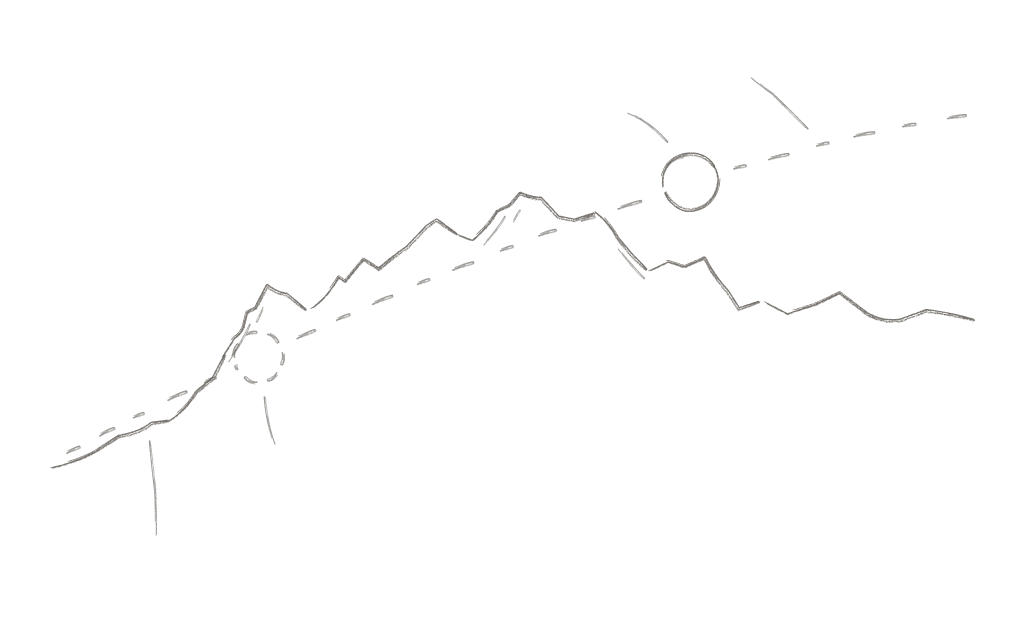
01 / ANTICIPATE
The Moon’s calculated position offers a time and direction. A surveyed skyline refines when it should emerge above the ridge.
02 / STEP OUTSIDE
Local cloud conditions help set expectations. The invitation is to witness the arrival; the lookout camera can keep a record.
03 / RETURN
Across months, the emergence shifts along the horizon. What was once an alert becomes a sign you know how to look for.

PLACE
The skyline, the camera’s composition and the local birds give each Observatory its own field of attention.
CRAFT
Photographic quality matters. So does the edit: which images, colours and encounters deserve a place in the record.
TIME
The archive makes patterns easier to recognise. A familiar call, a changing light, an event you begin to anticipate.
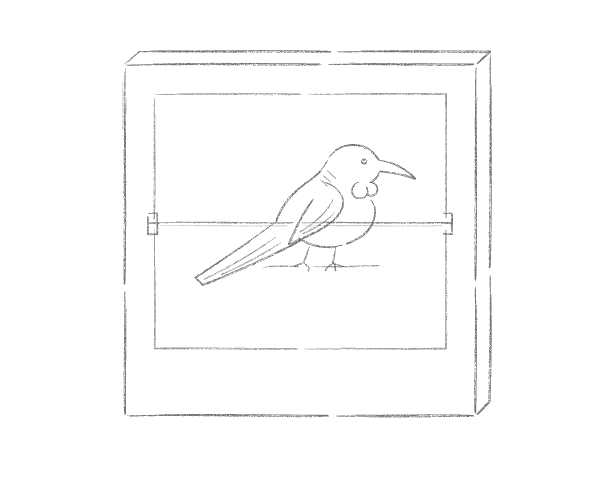
WITHIN THE OBSERVATORY
A square wall-mounted flip display shows a drawing of the bird being heard outside right now, helping you recognise it.
FED BY THE OBSERVATORY
A study of the changing colours of a place. One expression is a metre-long light displaying landscape colours recorded over 24 hours. Another is Colouring View Book: a book with the view from your window on every page, ready to colour in.
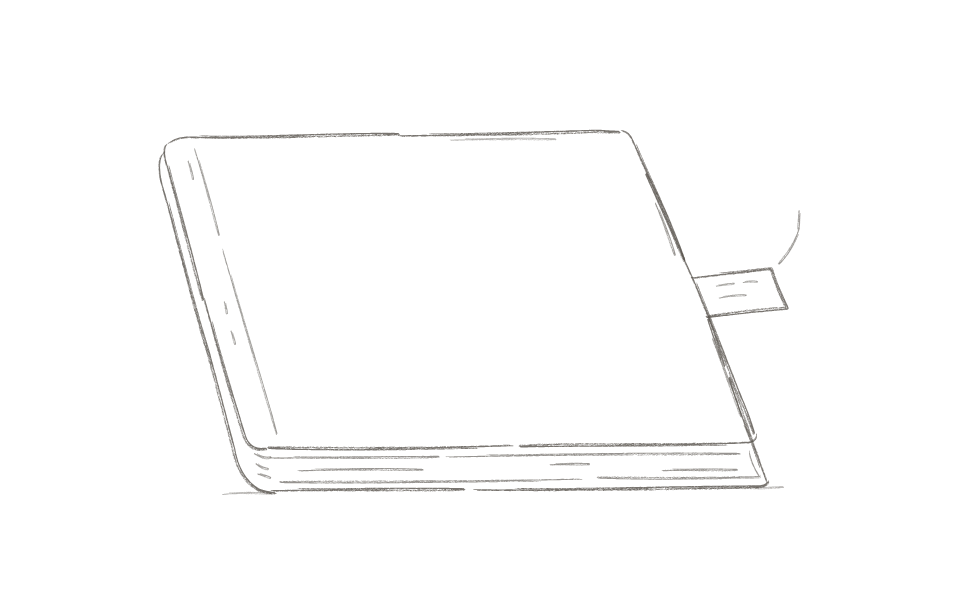
INDEPENDENT COMMISSION / ONE RESIDENCE
A finely bound field guide written and illustrated for one home, inspired by the QT Field Guide to Awe. An Observatory can contribute local observations where one is installed.
IN DEVELOPMENT / RISE + COLOURING VIEW BOOK
Rise is being developed to release scent when the Moon rises and is visible from the home. Predicted timing alone is not enough. A device that selects pencils to match recorded landscape colours remains an exploration.
Over evenings, seasons and years, the record deepens. So does your attention. The Observatory’s purpose is fulfilled when you recognise a sign, anticipate a return, or step outside to see for yourself.
01 / LISTEN TO THE PLACE
Understand the horizon, the available views and what the household is curious to notice.
02 / POSITION WITH CARE
Develop the camera positions, listening location and scientific context around the place.
03 / LIVE WITH THE RECORD
Choose the invitations and objects that belong in the home. Return to what the place reveals.
DESIGN STUDY / INSTRUMENTS, RECOGNITION METHODS AND CONNECTIONS ARE BEING DEVELOPED.

